

The short answer: sleep hygiene means habits that help you sleep: a fixed wake time, a cool, dark, quiet bedroom, no caffeine for at least 6 hours before bed, little alcohol, no screens right before bed, daytime exercise and no big late meals. It’s a sensible base, but sleep experts say it rarely fixes chronic insomnia by itself.
The American Academy of Sleep Medicine (AASM) defines sleep hygiene as general advice about lifestyle, such as diet, exercise and substance use, and the bedroom, such as light, noise and temperature. Most of it costs nothing. If what you need tonight is help dropping off, start with our guide on how to fall asleep fast.
What is a good sleep hygiene checklist?
A good sleep hygiene checklist covers timing, light, caffeine, alcohol, screens, the bedroom, exercise and meals. The sources don’t always agree on the exact cutoffs, so this table shows who says what:
| Habit | What to do | Evidence or source |
|---|---|---|
| Timing | Same wake time every day; keep weekends within about an hour of weekdays | NHLBI, NHS. Part of stimulus control, which the AASM supports for insomnia |
| Light | Get outside in the day; keep the bedroom dark | NHLBI, NHS. Light can signal the brain to stay awake (NHLBI) |
| Caffeine | None in the 6 hours before bed | NHS. Effects can last up to 8 hours (NHLBI). In a small trial, a large dose 6 hours before bed still cut sleep by more than 1 hour |
| Alcohol | Avoid it in the hours before bed | It may help you drop off but makes sleep lighter, so you wake more (NHLBI). The NHS insomnia page says none in the 6 hours before bed |
| Screens | Off for the last hour before bed | NHS Every Mind Matters; the NHLBI suggests quiet time in that hour |
| Room temperature | Cool, quiet and dark | NHLBI. A room that’s too hot or cold is one of the most common causes of insomnia (NHS) |
| Exercise | Move in the day; finish 3 hours (NIA), 4 hours (NHS) or 5 to 6 hours (NHLBI) before bed | Sources differ. If late exercise affects your sleep, move it earlier (NHS) |
| Meals and drinks | No large meal within 2 to 3 hours of bed; a light snack is fine; limit drinks late on | NIA, NHLBI |
| Naps | Avoid them, or keep them under 20 minutes and early | NHS, NHLBI |
Most of these rest on expert advice rather than trials. Caffeine is one of the few with a direct test: in a 2013 study of 12 healthy sleepers, caffeine taken 6 hours before bed still cut total sleep by more than an hour. If energy drinks are part of your afternoon, read what they do to your heart too. For a closer look at drinking, see how much alcohol is safe.
How do you reset your sleep in 7 days?
You reset your sleep by fixing your wake time first, then adding one habit a day while keeping a sleep diary. The NHLBI suggests a diary for 1 to 2 weeks: when you go to bed and wake up, naps, caffeine, alcohol and exercise.
| Day | What to change |
|---|---|
| 1 | Choose one wake time you can keep all 7 days, weekends too. Start the diary. |
| 2 | Set a caffeine cutoff 6 hours before your usual bedtime. Count tea, coffee, soda and chocolate. |
| 3 | Fix the bedroom: blinds or an eye mask, earplugs if needed, a cooler temperature, clocks out of view. |
| 4 | Screens off an hour before bed. Read, take a warm bath or listen to quiet music instead. |
| 5 | Eat earlier: no big meal in the 2 to 3 hours before bed, and no alcohol late in the evening. |
| 6 | Get outside in daylight and fit in some activity, even a short walk. |
| 7 | Read back through the diary. Keep what helped. If you still lie awake most nights, book an appointment and take the diary with you. |
All week, go to bed only when sleepy, and if you’re awake after about 20 minutes, get up and do something calm until you’re sleepy again. That’s NHS advice. If your evenings start with worry, the NHS suggests writing a to-do list for the next day before bed. Our guide to menopause anxiety has more on calming a racing mind.
Does sleep hygiene actually work?
Sleep hygiene helps a little for some people, but on its own it’s not an effective treatment for chronic insomnia. The AASM suggests clinicians not use it as the only treatment. Its review found just two trials, both low quality, that showed a meaningful benefit from sleep hygiene alone, and in head-to-head comparisons it did less well than active treatments. The AASM still says common-sense parts, like avoiding too much caffeine or alcohol, can help as part of a fuller plan.
The treatment that does work is CBT-I, cognitive behavioral therapy for insomnia. The American College of Physicians recommends CBT-I as the first treatment for chronic insomnia in all adults, a strong recommendation based on moderate-quality evidence. The NHLBI describes it as a 6- to 8-week program, done in person, by phone or online. It includes sleep education, but adds:
- Stimulus control, which rebuilds the link between bed and sleep.
- Sleep restriction, a set time in bed that lengthens as your sleep improves.
- Cognitive therapy, to ease anxiety about not sleeping.
- Relaxation, to help you wind down and fall asleep faster.
The NHS says a GP may offer CBT for insomnia face to face or through an online program. Sleep restriction is best done with guidance, so ask your doctor what’s available. If menopause is part of the picture, our guide to menopause and sleep covers a CBT-I trial in women with hot flashes.
When is poor sleep a sign of something else?
Poor sleep can be a sign of another condition when it comes with symptoms that habits can’t explain. See your doctor if you notice any of these:
- Loud snoring with gasping, snorting or choking, or pauses in breathing that someone else notices. These are signs of sleep apnea, says the NHS. Without treatment it raises the chance of stroke and accidents, the NHS says, and the NIA lists heart attack among the risks.
- Waking with headaches, feeling very sleepy in the day, or getting up often to pee. The NHLBI lists these as sleep apnea symptoms too. In women, insomnia, fatigue and headaches are more common signs.
- Crawling, tingling or pins and needles in your legs that’s worse at night and better when you move. That’s how the NIA describes restless legs syndrome. Our guide to leg cramps at night explains how cramps differ.
- Acting out your dreams, moving as if you’re in them while asleep. The NIA says this can be dangerous and is treatable.
- Low mood, anxiety or pain that keeps you awake. The NHS lists these among the common causes of insomnia.
- Trouble sleeping on 3 or more nights a week for 3 months. The NHLBI counts that as long-term insomnia.
- Feeling sleepy while driving. Pull over and take a break, says MedlinePlus.
The NHS also warns that sleeping pills can make sleep apnea worse, which is another reason to get checked before reaching for a sleep aid.
Your next step
Pick your wake time today and start the diary tonight. Work through the 7 days, then take an honest look. If your nights are better, keep going. If they aren’t, the diary is exactly what your doctor needs to see. And if menopause is part of why your nights have changed, the Menopause Meal Plan below plans out your meals so there’s less to think about on tired days.
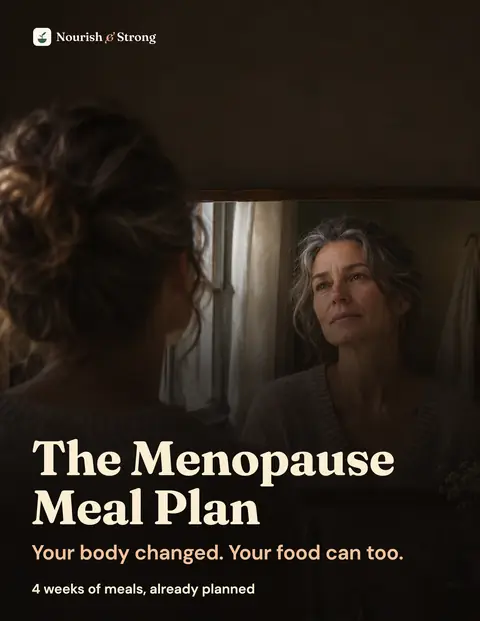
More protein, less guessing
The Menopause Meal Plan
4 weeks of high-protein meals with grocery lists and prep plans, so you can stop guessing what to eat. Only $12.
Quick questions
What is sleep hygiene?
Sleep hygiene is the set of daily habits and bedroom conditions that make sleep easier. The American Academy of Sleep Medicine describes it as advice on lifestyle, such as diet, exercise and caffeine or alcohol, and on the bedroom, such as light, noise and temperature. Examples include a fixed wake time and no caffeine for 6 hours before bed.
Does sleep hygiene actually work?
Sleep hygiene helps some people, but it rarely fixes chronic insomnia on its own. The American Academy of Sleep Medicine suggests clinicians not use it as the only treatment, because only two low-quality trials showed a meaningful benefit. CBT-I, which includes sleep hygiene plus other methods, is the recommended first treatment for chronic insomnia.
Can poor sleep hygiene cause insomnia?
Poor sleep habits can cause insomnia or make it worse. MedlinePlus lists going to bed at different times, a noisy or bright bedroom, spending too long in bed awake, using screens in bed and caffeine late in the day. The NHS adds alcohol, nicotine and a room that’s too hot or cold.
Why is sleep hygiene important?
Sleep hygiene matters because habits like a regular wake time, a dark bedroom and limiting caffeine make it easier to fall asleep and stay asleep. The NHS says insomnia usually gets better by changing sleeping habits. It’s free and low risk, though long-term insomnia usually needs more, such as CBT-I.
Is sleep hygiene part of CBT-I?
Yes, sleep hygiene is usually one part of CBT-I. The NHLBI says CBT-I combines sleep education with stimulus control, sleep restriction, relaxation and cognitive therapy over 6 to 8 weeks. The American College of Physicians strongly recommends CBT-I as the first treatment for chronic insomnia in adults.
How long before bed should you stop drinking caffeine?
Stop caffeine at least 6 hours before bed, the NHS says. Its effects can last up to 8 hours, according to the NHLBI. In a 2013 trial of 12 healthy sleepers, a large dose of caffeine taken 6 hours before bed still cut total sleep by more than an hour. Remember tea, soda and chocolate count too.
This article is general information, not medical advice. If you snore loudly, gasp or stop breathing in your sleep, feel sleepy while driving, or have had trouble sleeping for months, talk to your doctor. Don’t start, stop or change any medicine or sleep aid without your doctor’s advice.
Sources
- Edinger JD et al. Behavioral and psychological treatments for chronic insomnia disorder in adults: an American Academy of Sleep Medicine clinical practice guideline. J Clin Sleep Med, 2021
- Qaseem A et al. Management of chronic insomnia disorder in adults: a clinical practice guideline from the American College of Physicians. Ann Intern Med, 2016
- Drake C et al. Caffeine effects on sleep taken 0, 3, or 6 hours before going to bed. J Clin Sleep Med, 2013
- NHS. Insomnia
- NHS Every Mind Matters. Fall asleep faster and sleep better
- NHS. Sleep apnoea
- National Heart, Lung, and Blood Institute. Healthy Sleep Habits
- National Heart, Lung, and Blood Institute. Insomnia: Treatment
- National Heart, Lung, and Blood Institute. Insomnia: Diagnosis
- National Heart, Lung, and Blood Institute. Sleep Apnea: Symptoms
- National Institute on Aging. Sleep and Older Adults
- MedlinePlus. Insomnia